UNLEASH YOUR INNER POWER: HOW PROGRESSIVE OVERLOAD BUILDS STRENGTH FOR LIFE

Updated: May 16
Hey, beautiful soul! If you’ve ever poured your heart into a workout, felt that post-class glow, but wondered why you’re not feeling stronger or more capable in your daily life, this is for you.
As women, we navigate a unique journey—hormonal shifts from our fertile years through perimenopause and menopause, the joys and challenges of motherhood, and a world that sometimes tells us “light weights” are enough.
But you deserve more than fleeting endorphin highs. You deserve real strength, resilience, and a body that feels as vibrant as your spirit. Progressive overload—gradually doing more via load, reps, sets, or better form—is the core driver of strength and muscle, as outlined by the American College of Sports Medicine and confirmed in trials showing both load and rep progressions build results (American College of Sports Medicine, 2009; Plotkin et al., 2022).
In this post, we’ll explore why it works, why yoga’s spiritual and physical gifts make it a wonderful complement, and why those trendy, flashy workouts might not serve you as well as they promise. Let’s step into strength together, with heart and wisdom.

Progressive Overload: Your Gentle, Powerful Path to Growth
Think of progressive overload like tending a garden: You nurture it little by little—adding a bit more water, sunlight, or care over time—and it blooms stronger. For your muscles, this means gradually increasing the challenge, whether by lifting slightly heavier weights, adding a few more reps, or perfecting your form. It’s not about pushing to exhaustion; it’s about meeting your body where it is and inviting it to grow.
The science is clear and heartening. Research with women across ages showed that steadily increasing resistance training (RT) workloads improved strength and bolstered bone density in the hips—key for staying active and preventing osteoporosis as we age (O’Bryan et al., 2022). In another study, older women who progressively lifted heavier over 16 weeks saw their muscles get stronger and daily tasks—like carrying groceries or climbing stairs—feel easier, thanks to boosted repair signals in the body (Chen et al., 2021). At its core, this gentle challenge sparks your muscles to build new proteins, making them bigger and stronger (Schoenfeld, 2010).
For women in perimenopause or menopause, where muscle can slip away over time, this approach is a lifeline—it keeps your body lean and your metabolism humming (Bea et al., 2010).
Progressive overload isn’t about brute force; it’s a kind, consistent conversation with your body, helping it thrive.
Finding Your Rep Range: Why 10-15 Feels Just Right
You might’ve heard there’s a “magic” number of reps for building muscle. The truth? It’s more nuanced and more flexible than that.
Large reviews show similar muscle growth from low and high loads when sets are taken close to technical failure (where you can no longer keep good form), though for maximal strength, heavier loads still win (Schoenfeld et al., 2017; Morton et al., 2016).
Lower reps (5-9) with heavier weights build muscle and raw power; mid-range (10-20) blend strength, hypertrophy, and stamina (really useful for daily life); and higher reps (20-30) can still build muscle and bring that satisfying muscle “burn,” but can also result in excess fatigue.
The key is getting close to your limit safely—studies suggest stopping 0-5 reps shy of true failure (not being able to complete another rep) gives great growth with less strain, perfect for keeping you energised (Refalo et al., 2023). For strength, easing off 3-5 reps short is even smarter, saving your body from unnecessary stress and aiding faster recovery between sessions for sustainable progress (Refalo et al., 2023).
For women—especially if you’re new to lifting, have had kids, or are navigating hormonal shifts—the 10-15 rep range is a sweet spot. Because tendons and ligaments adapt more slowly than muscle, spending early cycles in the 10-15 rep zone lets you train hard (near failure) while refining technique and managing joint stress—especially postpartum or when joints feel lax (Bohm et al., 2015).
Joint laxity is influenced by many factors (pregnancy hormones, individual anatomy, training history). This range is heavy enough to stimulate muscle and strength, yet leaves room to learn bracing and breathing without the injury risk that can come from pushing near a 1-rep max—perfect for sustainable progress over powerlifting peaks (American College of Sports Medicine, 2009). And it’s flexible—you can build up to 20+ reps when moving up a weight feels just a little too challenging, building confidence with movement patterns while triggering muscle growth.
One study found women in perimenopause using this range improved strength and felt less joint discomfort over 12 weeks (Seguin et al., 2010).
It’s a nurturing way to grow strong, respecting your body’s unique story.
Strength Done Right: Programmes Like Wild Soul Strong
Programmes like Wild Soul Strong show how progressive overload can be both effective and empowering.
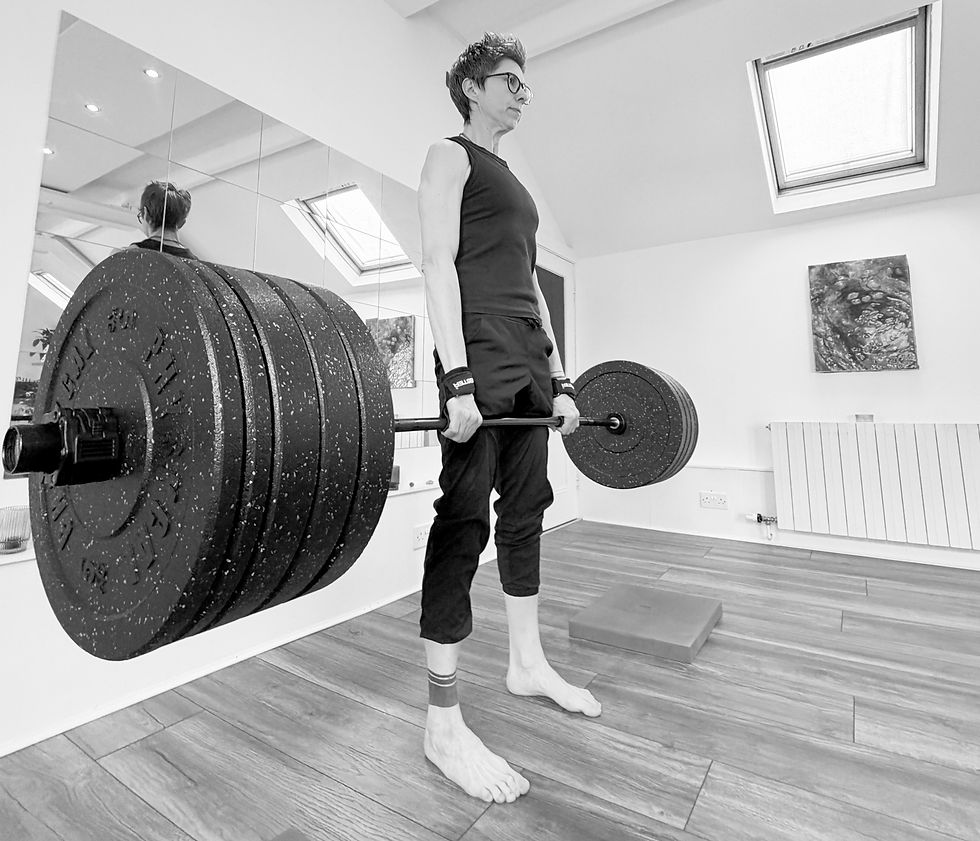
These sessions focus on full-body workouts with big, functional moves like squats, deadlifts, presses, and pulling movements that make life’s tasks—like lifting kids or carrying bags—feel effortless. Science supports this: Progressive, full-body resistance training in midlife and beyond preserves muscle, improves function, and helps maintain hip and lumbar bone density (O’Bryan et al., 2022; Howe et al., 2011).
These moves also spark hormones that support muscle repair post-workout and strengthen bones, guarding against fractures (Kelley et al., 2021).
What sets the Wild Soul Strong programme apart is the care in coaching. With a highly qualified trainer guiding every session, your form is refined as you grow stronger, ensuring safety and confidence.
In the Wild Soul Strong programme movements are tailored to your needs—like sumo deadlifts to ease hip or knee strain or stiff-leg deadlifts with pelvic floor focus for stability after prolapse (Mørkved and Bø, 2014). One woman shared, “I love seeing my progress week by week, and I feel so safe and supported with the coaching—it’s like training was designed for me” (personal communication, 2025). The 10-15 rep focus builds strength and resilience in a way that feels like a warm embrace.
What Actually Doesn’t Work (for Strength)
Trendy “sculpt” classes using very light dumbbells can be fun, sweaty, and mood-boosting — and that has value, but for strength, the stimulus is force. If your 0.5–1 kg weights never bring you within 0-3 reps of failure, you’re not giving muscle the signal to adapt; and for strength, heavier loads are unequivocally better (Schoenfeld et al., 2017; Currier et al., 2023).
Spot-reducing myths (endless core to “burn belly”) have also been tested: ab-only routines don’t meaningfully reduce abdominal fat on their own (Vispute et al., 2011)— they build endurance, they do not result in local fat loss. Pair meaningful resistance training with overall activity and nutrition for body-comp changes that stick.
What About Yoga?
I LOVE yoga! To me, yoga is a profound spiritual practice that weaves together body, mind, and soul—but it’s not a replacement for weight-bearing exercise with progressive overload.
Yoga asana (postures) are a wonderful practice that enhance flexibility by gently stretching muscles and tissues. This physical practice improves proprioception and balance to keep you steady as you age, and boosts mobility for everyday ease—think bending to tie your shoes or reaching for that top shelf (Cramer et al., 2018).
Yoga supports joint health, body awareness, builds muscular endurance, is great for core strength, and has amazing benefits for nervous system regulation.
Beyond the physical, yoga’s deep breathing and mindful flows teach us to move fluidly from the “fight-or-flight” sympathetic state to the “rest-and-digest” parasympathetic state, lowering cortisol, easing anxiety, and promoting restful sleep—crucial during hormonal shifts like menopause (Chen et al., 2024).
Research also shows yoga reduces hot flashes, night sweats, and mood swings in perimenopausal women, lifting overall well-being (Reed et al., 2014). It even supports brain health, encouraging new neural connections for resilience and vitality (Chen et al., 2024).
Yoga’s gifts—both spiritual and physical—make it a perfect complement to strength training, grounding you as you build a stronger, more vibrant body. But let’s not get it twisted: for muscle and bone strength, we still need to lift.
Step Into Your Strength, One Lift at a Time
Progressive overload in that 10-15 rep sweet spot with the last few reps feeling super hard is your invitation to a stronger, more vibrant you.
Paired with yoga’s soulful, body-loving benefits and guided by thoughtful programmes like Wild Soul Strong, it’s a path that feels as good as it works.
Let go of the fads and embrace what truly empowers you. What’s one small, brave step you’ll take today toward your strongest self?
References
American College of Sports Medicine (2009) ‘Progression models in resistance training for healthy adults’, Medicine & Science in Sports & Exercise, 41(3), pp. 687–708. doi:10.1249/MSS.0b013e3181915670.
Bea, J.W. et al. (2010) ‘Resistance training predicts six-year body composition change in postmenopausal women’, Medicine & Science in Sports & Exercise, 42(7), pp. 1286–1295. doi:10.1249/MSS.0b013e3181cd5a51.
Beynnon, B.D. et al. (2019) ‘Effect of oral contraceptives on soft tissue injury risk, laxity, and strength: a systematic review’, Orthopaedic Journal of Sports Medicine, 7(3), 2325967119831061. doi:10.1177/2325967119831061.
Bohm, S., Mersmann, F. and Arampatzis, A. (2015) ‘Human tendon adaptation in response to mechanical loading: a systematic review and meta-analysis’, Sports Medicine – Open, 1, p. 7. doi:10.1186/s40798-015-0009-9.
Calatayud, J. et al. (2015) ‘Importance of knowledge in determining the effectiveness of a resistance training program for muscular strength: an example with the bench press exercise’, Journal of Strength and Conditioning Research, 29(7), pp. 2032–2037. doi:10.1519/JSC.0000000000000828.
Chen, H.-T. et al. (2021) ‘Effects of 16 weeks of resistance training on muscle quality and functional fitness in older women with sarcopenia’, International Journal of Environmental Research and Public Health, 18(13), 6762. doi:10.3390/ijerph18136762.
Chen, Q. et al. (2024) ‘Neurobiological and anti-ageing benefits of yoga: a review’, Experimental Gerontology, 196, 111217. doi:10.1016/j.exger.2024.111217.
Cramer, H. et al. (2018) ‘Yoga for menopausal symptoms—A systematic review and meta-analysis’, Maturitas, 109, pp. 13–25. doi:10.1016/j.maturitas.2017.12.017.
Currier, B.S. et al. (2023) ‘Comparative effects of resistance training prescriptions on strength and hypertrophy: a systematic review and network meta-analysis’, British Journal of Sports Medicine, 57(18), pp. 1211–1222. doi:10.1136/bjsports-2022-106099.
Ford, E.C. et al. (2022) ‘The influence of the menstrual cycle and oral contraceptives on knee laxity or ACL injury risk: a systematic review’, Applied Sciences, 12(24), 12627. doi:10.3390/app122412627.
Gibala, M.J. et al. (2012) ‘Physiological adaptations to low-volume, high-intensity interval training in health and disease’, The Journal of Physiology, 590(5), pp. 1077–1084. doi:10.1113/jphysiol.2011.224725.
Howe, T.E. et al. (2011) ‘Exercise for preventing and treating osteoporosis in postmenopausal women’, Cochrane Database of Systematic Reviews, (7), CD000333. doi:10.1002/14651858.CD000333.pub2.
Kelley, G.A., Kelley, K.S. and Kohrt, W.M. (2021) ‘Effects of exercise training on bone mineral density in postmenopausal women: a systematic review and meta-analysis of RCTs’, Journal of Osteoporosis, 2021, 6680215. doi:10.1155/2021/6680215.
Mørkved, S. and Bø, K. (2014) ‘Effect of pelvic floor muscle training during pregnancy and after childbirth on prevention and treatment of urinary incontinence: a systematic review’, British Journal of Sports Medicine, 48(4), pp. 299–310. doi:10.1136/bjsports-2012-091758.
Morton, R.W. et al. (2016) ‘Neither load nor systemic hormones determine resistance training-mediated hypertrophy or strength gains’, Journal of Applied Physiology, 121(1), pp. 129–138. doi:10.1152/japplphysiol.00154.2016.
O’Bryan, S.J. et al. (2022) ‘Progressive resistance training for concomitant increases in strength and BMD in older adults: a systematic review and meta-analysis’, Sports Medicine, 52(9), pp. 2091–2115. doi:10.1007/s40279-022-01692-5.
Plotkin, D.L. et al. (2022) ‘Progressive overload without progressing load? The effects of load or repetition progression on adaptations’, European Journal of Sport Science, 22(10), pp. 1491–1501. doi:10.1080/17461391.2021.1963011.
Reed, S.D. et al. (2014) ‘A randomized controlled trial of yoga for vasomotor symptoms in peri- and postmenopausal women’, American Journal of Obstetrics & Gynecology, 210(3), pp. 244.e1–244.e11. doi:10.1016/j.ajog.2013.11.020.
Refalo, M.C. et al. (2023) ‘Influence of resistance training proximity-to-failure on skeletal muscle hypertrophy: a systematic review with meta-analysis’, Sports Medicine, 53(2), pp. 453–469. doi:10.1007/s40279-022-01784-2.
Schoenfeld, B.J. (2010) ‘The mechanisms of muscle hypertrophy and their application to resistance training’, Journal of Strength and Conditioning Research, 24(10), pp. 2857–2872. doi:10.1519/JSC.0b013e3181e840f3.
Schoenfeld, B.J., Ogborn, D. and Krieger, J.W. (2017) ‘Strength and hypertrophy adaptations between low- vs. high-load resistance training: a systematic review and meta-analysis’, Journal of Strength and Conditioning Research, 31(12), pp. 3508–3523. doi:10.1519/JSC.0000000000002200.
Seguin, R.A. et al. (2010) ‘The effects of a 12-week multimodal exercise program on the health status of postmenopausal women’, Journal of Women’s Health, 19(12), pp. 2213–2221. doi:10.1089/jwh.2009.1624.
Smith, H.C. et al. (2000) ‘Self-reported oral contraceptive use and peripheral joint laxity’, Journal of Orthopaedic & Sports Physical Therapy, 30(11), pp. 683–692. doi:10.2519/jospt.2000.30.11.683.
Vispute, S.S. et al. (2011) ‘The effect of abdominal exercise on abdominal fat’, Journal of Strength and Conditioning Research, 25(9), pp. 2559–2564. doi:10.1519/JSC.0b013e3181e7faa6.branding is not just a buzzword; it’s a vital strategy for anyone looking to advance their career. Whether you are a recent graduate or a seasoned professional, how you present yourself can significantly impact your opportunities. This blog post will explore the importance of personal branding, practical steps to build your brand, and how to maintain it over time.
Understanding Personal Branding
Personal branding is the practice of marketing yourself and your career as a brand. It involves defining who you are, what you stand for, and how you want to be perceived by others. This concept is not limited to entrepreneurs or influencers; it applies to everyone, regardless of their profession.
Why Personal Branding Matters
Differentiation: In a crowded job market, a strong personal brand helps you stand out. It showcases your unique skills and experiences.
Credibility: A well-crafted personal brand builds trust. When people see consistency in your messaging and actions, they are more likely to view you as a credible professional.
Opportunities: A strong personal brand can open doors. Employers and clients are more likely to reach out to individuals who have a clear and compelling brand.
Steps to Build Your Personal Brand
Building a personal brand requires intentionality and effort. Here are some practical steps to help you get started:
Define Your Brand
Before you can promote your personal brand, you need to define it. Ask yourself the following questions:
What are my core values?
What skills do I want to be known for?
What is my unique selling proposition (USP)?
Take time to reflect on these questions. Write down your answers and use them as a foundation for your branding efforts.
Create an Online Presence
In today’s digital age, having an online presence is essential. Here are some platforms to consider:
LinkedIn: This is the go-to platform for professionals. Ensure your profile is complete, including a professional photo, a compelling headline, and a summary that reflects your brand.
Personal Website: A personal website can serve as a portfolio showcasing your work, achievements, and testimonials.
Social Media: Depending on your industry, platforms like Twitter, Instagram, or even TikTok can be effective for sharing your insights and connecting with others.
Develop Your Content Strategy
Content is a powerful tool for personal branding. Consider the following:
Blogging: Share your expertise through blog posts. This not only showcases your knowledge but also helps you connect with your audience.
Videos: Create short videos discussing industry trends or sharing tips. Video content can be more engaging and help you connect on a personal level.
Podcasts: If you enjoy speaking, consider starting a podcast. This allows you to share your insights and interview others in your field.
Network Strategically
Networking is a crucial aspect of personal branding. Here are some tips:
Attend Industry Events: Participate in conferences, workshops, and seminars. These events provide opportunities to meet like-minded professionals and expand your network.
Join Professional Organizations: Becoming a member of relevant organizations can help you connect with others in your field and gain access to resources.
Engage Online: Participate in discussions on platforms like LinkedIn or industry-specific forums. Share your insights and connect with others.
Maintaining Your Personal Brand
Once you have established your personal brand, it’s essential to maintain it. Here are some strategies:
Stay Authentic
Authenticity is key to a successful personal brand. Be true to yourself and ensure that your online presence reflects who you are. Avoid trying to be someone you’re not, as this can lead to inconsistency and distrust.
Keep Your Skills Updated
The job market is constantly evolving, and so should your skills. Invest in continuous learning through courses, workshops, and certifications. This not only enhances your expertise but also shows your commitment to professional growth.
Monitor Your Online Presence
Regularly check your online presence to ensure it aligns with your personal brand. Google yourself to see what comes up and address any discrepancies. Use tools like Google Alerts to stay informed about mentions of your name.
Seek Feedback
Don’t hesitate to ask for feedback from peers and mentors. They can provide valuable insights into how you are perceived and suggest areas for improvement.
Real-Life Examples of Effective Personal Branding
To illustrate the power of personal branding, let’s look at a few examples of individuals who have successfully built their brands.
Gary Vaynerchuk
Gary Vaynerchuk, known as Gary Vee, is a prime example of effective personal branding. He started as a wine critic and leveraged social media to build a massive following. His brand is built on authenticity, hustle, and providing value to his audience. Gary’s consistent messaging and engagement have made him a sought-after speaker and entrepreneur.
Marie Forleo
Marie Forleo is another excellent example. She built her brand around helping entrepreneurs succeed. Through her online courses, books, and a popular YouTube channel, Marie has established herself as a thought leader in the business space. Her personal brand is characterized by positivity, creativity, and empowerment.
Simon Sinek
Simon Sinek is known for his concept of “Start With Why.” His TED Talk went viral, and he has since built a brand around leadership and motivation. Simon’s ability to articulate complex ideas in simple terms has resonated with many, making him a respected figure in his field.
Conclusion
Effective personal branding is a powerful tool for career advancement. By defining your brand, creating an online presence, and networking strategically, you can elevate your career and open doors to new opportunities. Remember to stay authentic, keep your skills updated, and seek feedback to maintain your brand over time.
Take the first step today by reflecting on your core values and skills. Start building your personal brand, and watch as new opportunities unfold. Your career deserves it!

Comments