YOGA, OSTEOPOROSIS, & THE TRUTH ABOUT BONE STRENGTH

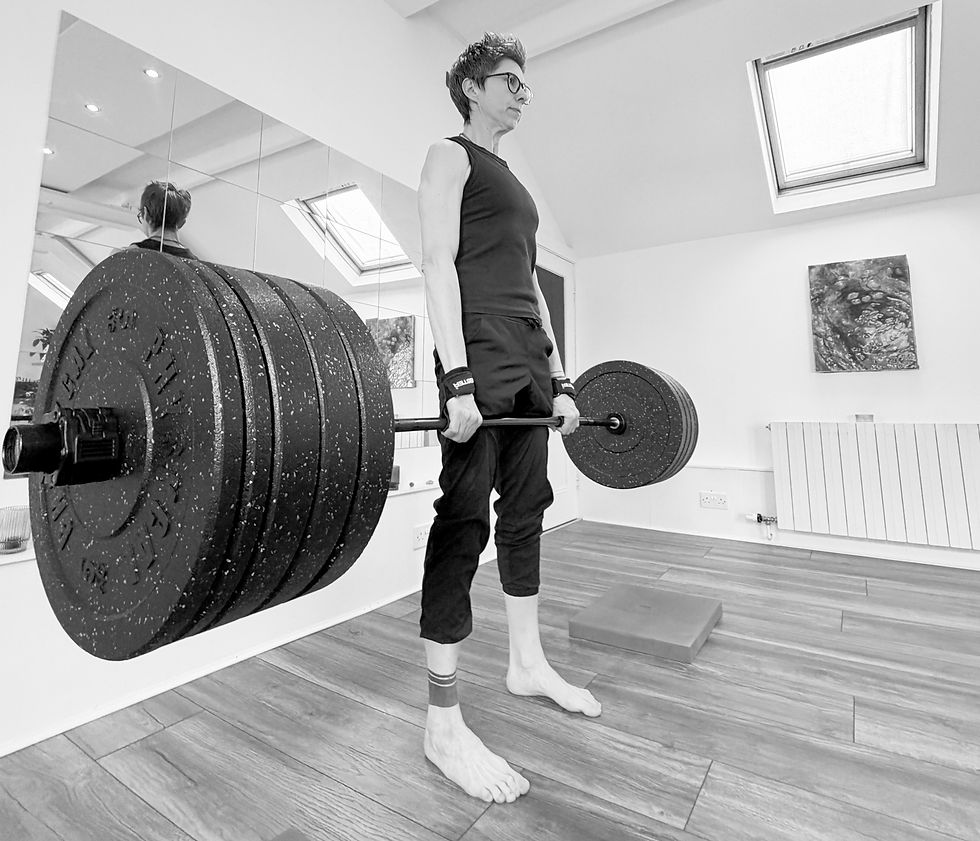
What actually builds bone — and where yoga truly belongs
There’s a quiet confusion I see again and again, especially among women in midlife:
Is yoga enough to protect my bones?
It’s an important question — and it deserves a clear, evidence-based answer that doesn’t dismiss yoga, but also doesn’t mythologise it.
Here’s the short version first:
Yoga alone is unlikely to significantly increase bone density in post-menopausal women. Progressive strength training and impact loading are the most effective tools we have for building and preserving bone.
And — this matters — yoga still plays a vital role, just not the one most people think.
Let’s unpack this properly.
What the science actually says about yoga and bone density
Bone is living tissue. It responds to load — specifically, forces that challenge it beyond what it’s already adapted to.
Large reviews and clinical trials consistently show that:
Mind–body practices like yoga and Pilates do not reliably produce clinically meaningful increases in bone mineral density (BMD) when used alone in post-menopausal women.
Any changes seen are typically small, inconsistent, or within the margin of measurement error.
Many yoga styles simply don’t load the skeleton with enough intensity or progression to stimulate new bone growth.
That doesn’t mean yoga is useless.
It means it’s not the panacea the internet sells it as.
In the West, we’ve been asking yoga to do a job it was never designed for.
Yoga originated as a system for spiritual development and self-realisation — one that happens to offer a wide range of physical benefits along the way. Improved mobility, balance, body awareness, breath regulation, and nervous system health are all real and valuable outcomes of practice.
But building bone density is not the purpose of yoga.
And when we’re honest about that, we can stop forcing yoga into a role it doesn’t fulfil — and instead let it sit alongside strength training and weight-bearing work, where it becomes profoundly supportive rather than misleading.
That’s where truth, integrity, and longevity actually meet.
What does build bone (and reduce fracture risk)
The strongest evidence we have points to two key inputs:
1. Progressive resistance training
Heavy, well-taught strength training — think squats, hinges, presses, pulls, carries — places meaningful load through bones and stimulates osteogenesis.
In well-designed studies, post-menopausal women (even those with osteopenia or osteoporosis) improved bone density and functional strength when strength training was:
Progressive
Supervised
Appropriately dosed
This isn’t about bodybuilding. It’s about teaching the skeleton that it is still needed.
2. Impact and weight-bearing loading (when appropriate)
Bones also respond to impact — hopping, jumping, step-downs, brisk stair work, or fast walking with load.
Impact doesn’t need to be extreme to be effective. It needs to be:
Specific
Progressive
Matched to the individual’s fracture risk and confidence
For some women, this might be gentle hops. For others, it’s loaded carries and stair climbing. Context matters.
So where does yoga fit?
Here’s where the conversation gets more subtle — and more sacred.
Yoga may not be the primary driver of bone density, but it excels in areas that directly reduce fracture risk and improve quality of life:
Yoga supports:
Balance and proprioception
Joint mobility and posture
Breathing and nervous system regulation
Body awareness and confidence in movement
Consistency and adherence to a movement practice
Most fractures don’t happen because bone density suddenly failed.
They happen because someone:
Lost balance
Moved reflexively without awareness
Was fearful, stiff, or disconnected from their body
Yoga reduces those risks.
In other words:
Strength and impact build stronger bones. Yoga helps you stay upright, aware, and responsive inside your body.
Together, they reduce fracture risk far more effectively than either alone.
An important safety note (especially for yoga practitioners)
Not all yoga is automatically “bone-safe”.
For women with osteoporosis or vertebral fracture risk:
Repeated or loaded end-range spinal flexion
Aggressive twisting under load
Long-held passive stretches at end range
…may increase vertebral fracture risk in some individuals.
This doesn’t mean “don’t do yoga”. It means listen to your body, honour where you're at, and do yoga intelligently, with an understanding of bone health, posture, and spinal mechanics.
A strong spine is not a flexible spine at all costs. It’s a stable, responsive, well-loaded spine.
A wiser model: Sacred + Strong
If your goal is bone health, longevity, and feeling at home in your body as you age, the evidence supports a blended approach:
• Strength training — 2–3 times per week. To load bone, maintain muscle, and preserve independence.
• Impact or weight-bearing work — as appropriate. To stimulate bone and reinforce resilience.
• Yoga and mindful movement — regularly. To support balance, mobility, nervous system regulation, and embodied awareness.
This isn’t either/or.
It’s integration.
Strong bones need load. A regulated nervous system needs rhythm, breath, and presence. A healthy body needs both.
The deeper truth
Yoga was never meant to be a bone-density intervention.
It was meant to help you inhabit your body with clarity, steadiness, and discernment.
When we stop forcing yoga to be something it isn’t — and allow it to sit alongside intelligent strength training — women get stronger and more at ease.
That’s the Strong + Sacred path:
Strength without aggression
Safety without fragility
Movement that honours both biology and soul
I believe that’s where longevity actually lives.
RENGH IN MIDLIFE MAIn a world where first impressions matter more than ever, personal branding has become a vital skill for anyone looking to stand out. Whether you are a frecer, entrerenur, or simply someone looking to enhance your career prospects, understanding how to effectively brand yourself can unlock countless opportunities. In this post, we will explore practical tips from Sara, a personal branding expert, to help you cultivate a strong personal brand that resonates with your audience.
Understanding Personal Branding
Personal branding is the practice of marketing yourself and your career as a brand. It involves defining who you are, what you stand for, and how you want to be perceived by others. Here are some key components to consider:
Define Your Unique Value Proposition
Your unique value proposition (UVP) is what sets you apart from others. It answers the question: "What do I bring to the table?" To define your UVP, consider the following:
Skills and Expertise: What are you particularly good at?
Passions: What do you love doing?
Values: What principles guide your decisions and actions?
By identifying these elements, you can create a clear and compelling narrative about yourself.
Know Your Audience
Understanding your audience is crucial for effective personal branding. Ask yourself:
Who are the people you want to reach?
What are their interests and needs?
How can you provide value to them?
By tailoring your message to resonate with your audience, you can build stronger connections and enhance your brand's impact.
Building Your Online Presence
In today’s digital age, your online presence is often the first impression people have of you. Here are some strategies to enhance your online visibility:
Optimize Your Social Media Profiles
Your social media profiles should reflect your personal brand. Here are some tips:
Consistent Branding: Use the same profile picture and bio across platforms.
Professional Content: Share content that aligns with your brand values and expertise.
Engagement: Interact with your audience by responding to comments and messages.
Create a Personal Website
A personal website serves as a central hub for your brand. It allows you to showcase your work, share your story, and provide valuable resources. Consider including:
Portfolio: Highlight your best work.
Blog: Share insights and expertise in your field.
Contact Information: Make it easy for people to reach you.
Networking and Building Relationships
Networking is a powerful tool for personal branding. Building relationships can lead to new opportunities and collaborations. Here are some effective networking strategies:
Attend Industry Events
Participating in industry events, conferences, and workshops can help you connect with like-minded individuals. Here’s how to make the most of these opportunities:
Prepare Your Elevator Pitch: Have a concise introduction ready that summarizes who you are and what you do.
Follow Up: After meeting someone, send a follow-up message to keep the conversation going.
Leverage Online Networking
In addition to in-person events, online networking can expand your reach. Consider:
Joining Professional Groups: Engage in discussions and share insights in relevant online communities.
Utilizing LinkedIn: Connect with professionals in your field and share valuable content.
Crafting Your Personal Brand Story
Your personal brand story is a narrative that communicates your journey, values, and aspirations. Here’s how to craft a compelling story:
Identify Key Experiences
Reflect on your life experiences that have shaped who you are today. Consider:
Challenges Overcome: What obstacles have you faced, and how did you overcome them?
Milestones Achieved: What significant achievements have you accomplished?
Create a Narrative Arc
Your story should have a clear beginning, middle, and end. Start with your background, discuss your journey, and conclude with your current goals and aspirations. This structure helps your audience connect with you on a deeper level.
Maintaining Consistency
Consistency is key to effective personal branding. Here are some ways to ensure your brand remains cohesive:
Align Your Actions with Your Brand
Your actions should reflect your personal brand. This includes:
Professional Conduct: Always act in a manner that aligns with your brand values.
Content Sharing: Share content that is consistent with your brand message.
Regularly Update Your Brand
As you grow and evolve, so should your personal brand. Regularly assess and update your branding elements to ensure they accurately reflect who you are.
Measuring Your Brand Impact
To understand the effectiveness of your personal branding efforts, it’s important to measure your impact. Here are some metrics to consider:
Engagement Metrics
Track engagement on your social media profiles and website. Look for:
Likes and Shares: Indicates how well your content resonates with your audience.
Comments: Engaged audiences often leave comments, showing interest in your content.
Opportunities Created
Keep track of new opportunities that arise as a result of your branding efforts. This could include:
Job Offers: Have you received job offers or freelance opportunities?
Collaborations: Have you been approached for partnerships or projects?
Conclusion
Unlocking your potential through personal branding is a journey that requires self-awareness, strategic planning, and consistent effort. By defining your unique value proposition, building a strong online presence, networking effectively, crafting your personal brand story, maintaining consistency, and measuring your impact, you can create a personal brand that opens doors to new opportunities.
Take the first step today by reflecting on your unique strengths and values. Start building your personal brand, and watch as it transforms your professional life. Remember, your brand is a reflection of who you are—make it count!


Comments